
Notes from the build
Blog
Perspectives on where AI coding agents are heading, and the long-term fixes worth adopting now.
AI Playbook
All playbook posts →Aligning Stacked PRs: A Workflow for Agent Git Rebase
Learn how to safely align stacked pull requests after a squash merge. This workflow shows you how to use git rebase onto to replay agent commits cleanly, verify tree states, and prevent merge conflicts when managing multi-branch dependencies.
Git Worktrees: A Workflow for Running Parallel Agents
Learn how to use Git worktrees to run multiple AI coding agents simultaneously on a single repository. This guide shows you how to isolate filesystems, prevent Git lock contention, and manage parallel agent branches without duplicating your local repository history.
How to Add Custom Slash Commands to Copilot and Continue
Learn how to extend your AI coding agents by configuring custom slash commands. You will be able to define domain-specific shortcuts, automate prompt workflows, and integrate custom system instructions in GitHub Copilot and Continue.dev using markdown and JSON configuration files.
How to Block Risky Commands in Claude Code and Cursor
Learn how to set up deterministic agent hooks in Claude Code and Cursor to intercept and block dangerous terminal commands before execution. You will write executable scripts that parse tool payloads, ensuring your local environment remains safe from accidental destructive actions.
How to Link MCP to Claude Desktop, Cursor, and Claude Code
Learn how to connect Model Context Protocol (MCP) servers to Claude Desktop, Cursor, and Claude Code. This step-by-step guide walks you through configuring your environment, editing configuration files, and verifying that your coding agents can successfully access external tools and databases.
How to Run Coding Agents in CI with gh-aw and Aider
Learn how to integrate secure, Git-native coding agents into your CI pipeline. This guide shows you how to set up GitHub Agentic Workflows (gh-aw) and in-process CLI tools like Aider to automate code reviews, issue triage, and pull request creation safely.
Trending AI topics
Latest Post
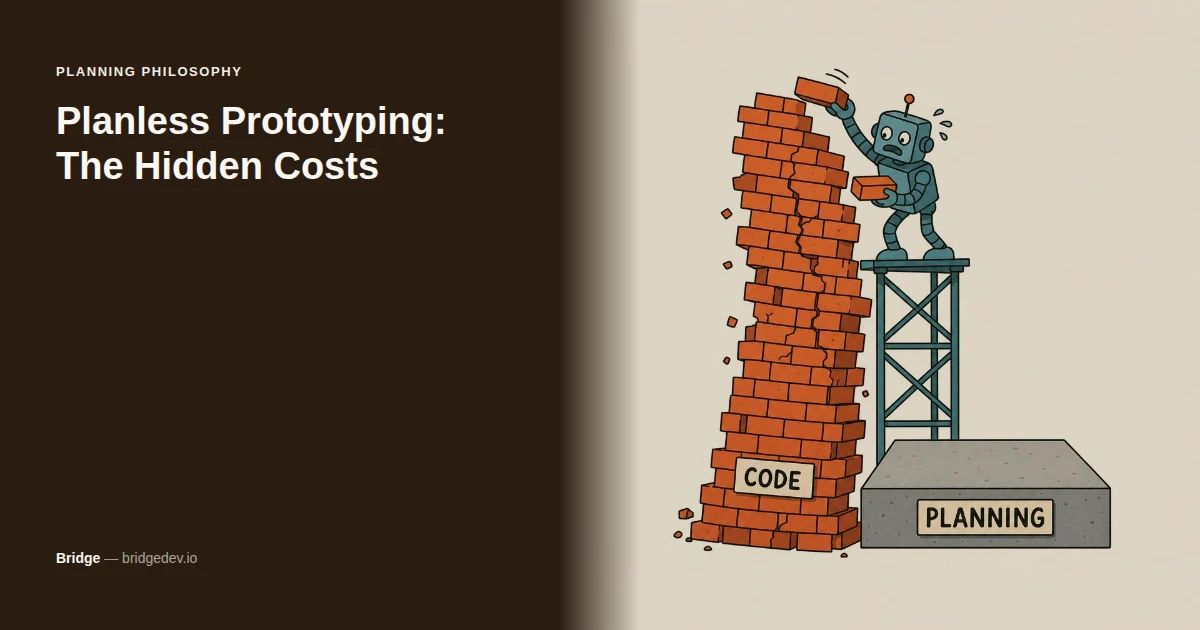
Planless Prototyping: The Hidden Cost of Skipping a Plan
Building a mobile app without a clear blueprint often leads to endless redesigns and wasted budget. We analyze the hidden financial and technical costs of planless prototyping, and explain why starting with a concrete plan for your user stories and data schema lowers the risk of early failure.
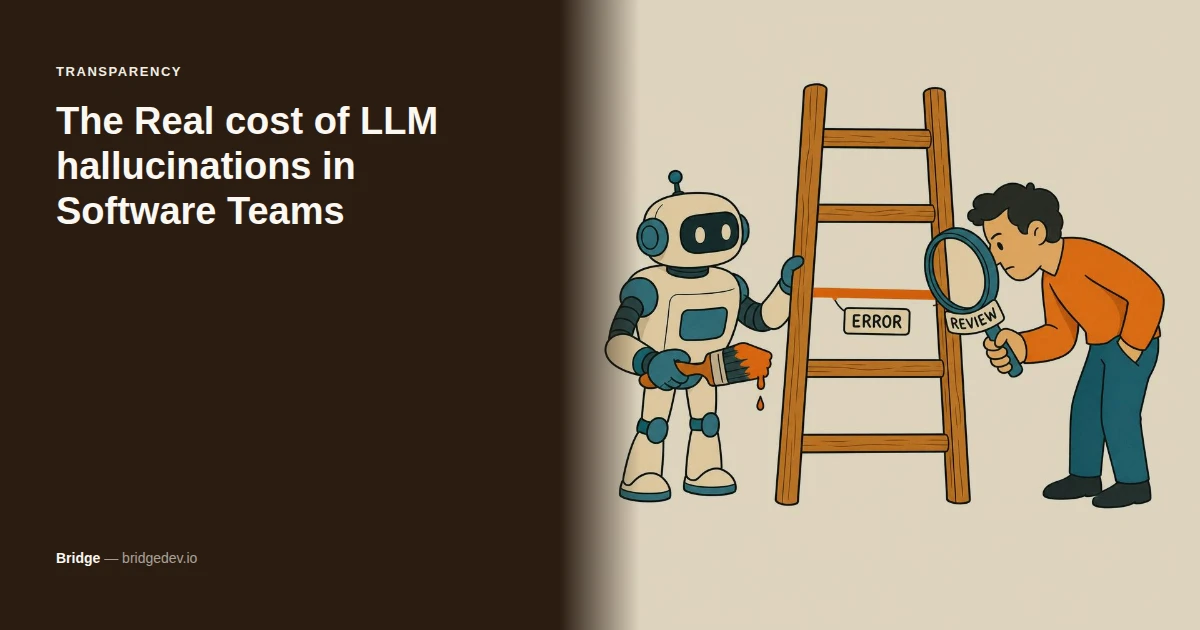
The True Cost of LLM Hallucinations in Mobile Planning
When building mobile products, relying blindly on automated generation leads to silent failures. We break down the actual cost of LLM hallucinations in software planning, from broken database schemas to flawed user flows, and explain why human-in-the-loop verification is non-negotiable for engineering teams.
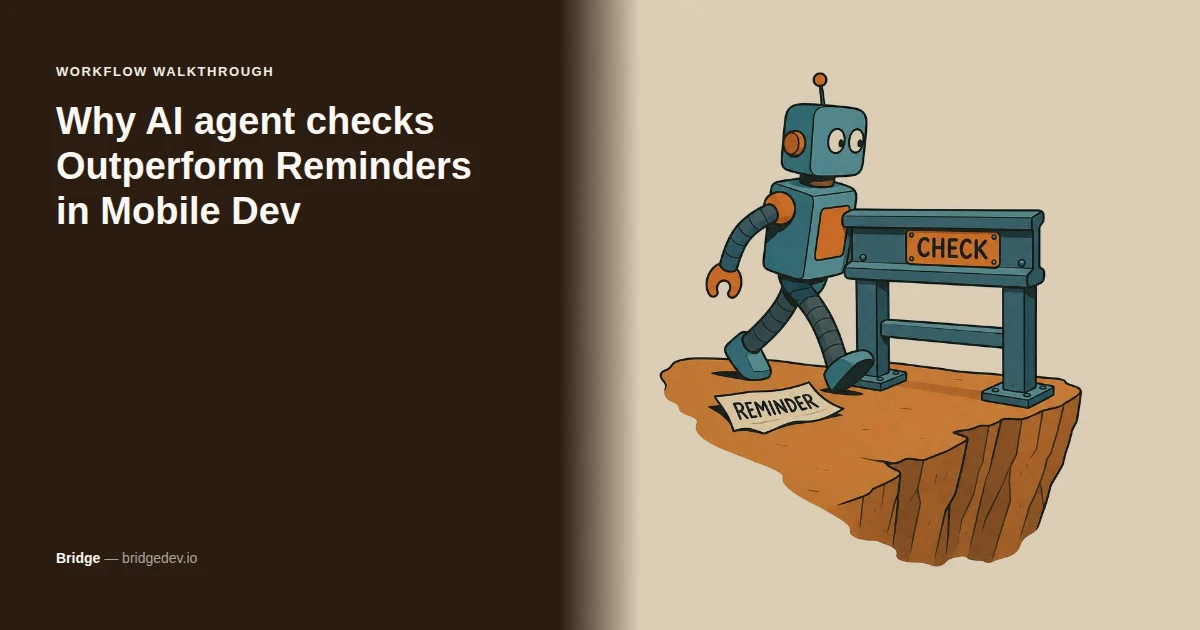
Why AI Agent Checks Outperform Reminders in Mobile Dev
When planning a mobile app, passive reminders fail to keep development on track. Discover how shifting to active AI agent checks helps solo developers and small teams validate user stories, screen flows, and data schemas before writing a single line of code.

Structuring an AI Software Design Workflow for Mobile
Moving from a vague mobile app idea to a concrete build requires structure. We walk through a practical AI software design workflow that translates raw concepts into structured user stories, clear data schemas, and screen-by-screen UX flows before you write a single line of code.
Why AI Coding Agent Tools Prefer Grep Over LSP Servers
Language Server Protocols offer deep semantic graphs, yet autonomous coding agents consistently favor simple text matching. Here is why grep outperforms LSPs for context retrieval.

Building Our Context-Aware Parsing Engine for Mobile
Large context windows degrade when fed raw repositories. Here is how we built a context-aware parsing engine to map mobile architectures into deterministic graphs.

Preventing AI Coding Mistakes: Proofs vs. Planning
Code generation models are powerful but introduce subtle, costly errors. We explore two strategies for preventing AI coding mistakes: formal verification (proofs) and structured planning. While proofs offer guarantees, we argue that rigorous, upfront planning is the more practical and scalable approach for most development teams.

Human AI Collaboration Development: Why Your Plan Needs You
The most advanced development systems amplify human intent—they don't replace it. This post explores why your strategic input, clear constraints, and adversarial review are the most critical components in building successful software with modern tooling.

AI Incident Management: Retaining Your Mental Model
As software development shifts toward automation, developers risk losing the critical mental models of their own systems. We examine how to navigate AI incident management while keeping a firm grip on your mobile app's underlying architecture, user stories, and data schemas.

Managing AI Dev Tool Costs: What Most Founders Overlook
AI code generation seems cheap until you factor in debugging, refactoring, and architectural drift. We break down the hidden AI dev tool costs that solo developers and small product teams face in 2026, and how rigorous upfront planning prevents expensive technical debt.
Stay current with Bridge
Writing on AI-powered planning, idea-to-spec workflows, and building Bridge in public. No spam; unsubscribe any time.